How Do I Audit Off-Page SEO?
You’ve put hours into building your website, crafting valuable content, and maybe even fine-tuning your on-page SEO, but you’re still not seeing the visibility or traffic you expected. Here’s something many business owners overlook: Google doesn’t just look at your website.
It looks at what others say about your website, too. That’s where off-page SEO comes in, and auditing it properly can be the missing piece of your search visibility puzzle.
Off-page SEO is all about trust, authority, and digital reputation. It’s not just backlinks — although they’re a big part — but also social signals, brand mentions, and how credible your site looks in the wider digital ecosystem. If you don’t know what’s being said about your brand online or who’s linking to you (or why), you’re flying blind.
In this guide, you’ll learn exactly how to audit your off-page SEO like a pro. Whether you’re just getting started or trying to outpace a growing list of competitors, this article will show you how to analyse your current standing, identify opportunities, and take strategic action.
Key Takeaways
- Understand what off-page SEO really includes, beyond just backlinks
- Learn step-by-step how to audit your backlink profile and digital reputation
- Spot harmful links and know how to deal with them effectively
- Find missed opportunities for improving your authority and rankings
- Discover how off-page signals shape Google’s trust in your brand
What Is Off-Page SEO and Why Does It Matter
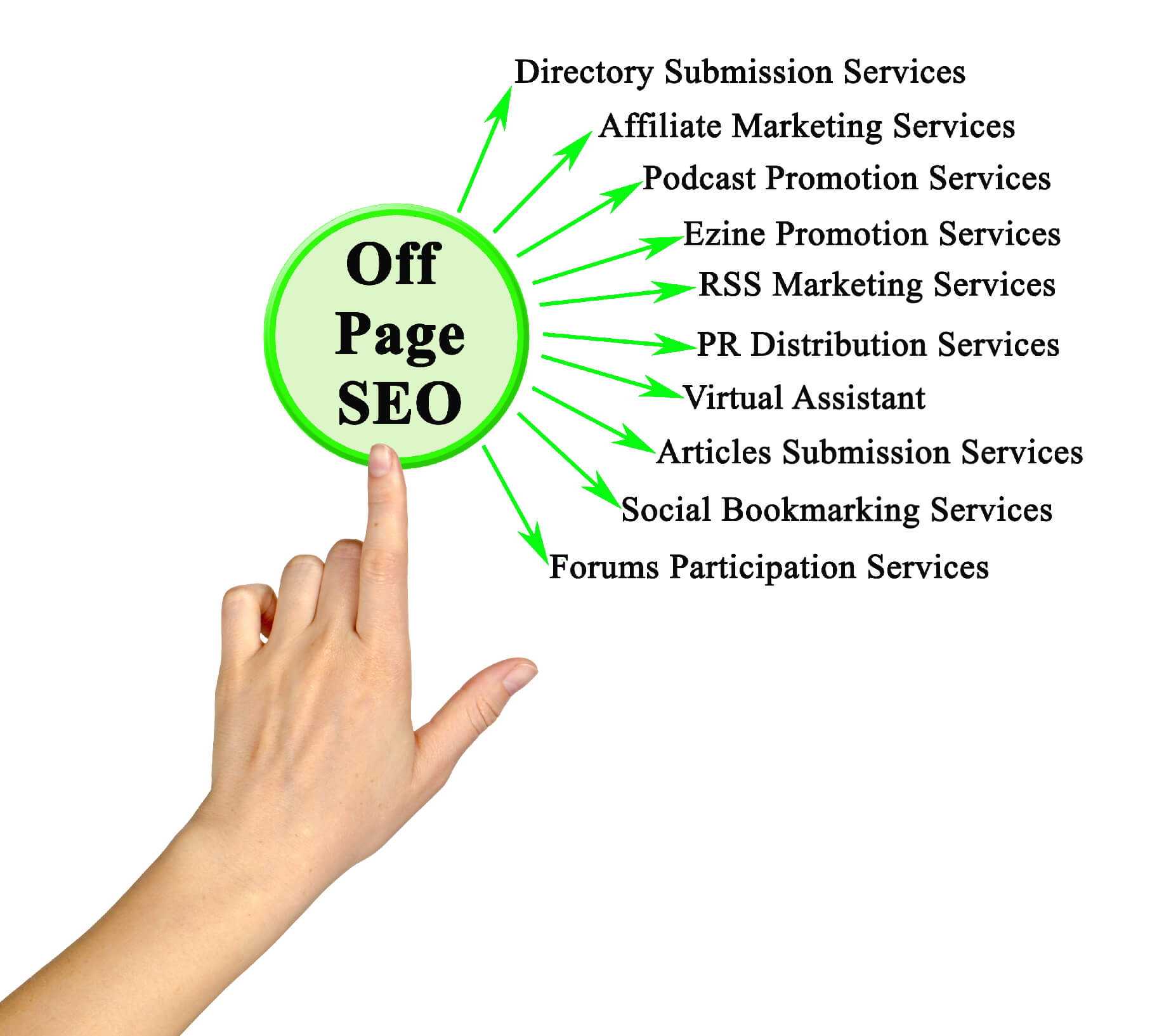
Off-page SEO refers to all the activity that happens away from your website but still influences your rankings. It’s Google’s way of gauging your reputation. If quality websites are talking about you or linking to you, it sends a strong signal of trust and authority.
- Backlinks are the most important off-page factor, but not all links are created equal.
- Other signals include online reviews, brand mentions, social shares, and domain authority.
- Google treats external signals like votes of confidence — so the stronger and more relevant they are, the better.
Ultimately, off-page SEO helps search engines understand how others perceive your website. A healthy off-page profile can make the difference between ranking on page 1 or getting buried.
How to Perform an Effective Off-Page SEO Audit
Auditing your off-page SEO involves digging into your digital footprint. The goal is to evaluate where your site stands in terms of external signals, what needs improvement, and how to fix or capitalise on it.
Here’s how to approach it:
1. Review Your Backlink Profile
Use tools like Ahrefs, SEMrush, Moz, or Google Search Console to extract your backlink data.
- Analyse link sources to determine whether they are relevant, trustworthy, and authoritative.
- Check for diversity, do you have a natural mix of domains, or too many from one source?
- Identify nofollow vs. dofollow; both matter, but only dofollow links pass SEO value.
- Flag low-quality or toxic links that could be harming your rankings.
2. Assess Link Quality (Not Just Quantity)
A few high-quality links can be more powerful than hundreds of low-value ones.
- Prioritise links from industry-relevant websites, government or education domains, or top-tier media outlets.
- Avoid link farms, spammy directories, or paid link schemes — these can trigger penalties.
- Look for context — a link placed naturally in an article carries more weight than one in a footer.
3. Analyse Anchor Text Usage
Anchor text gives Google clues about what your linked page is about.
- Too many exact-match keywords? That can look manipulative and over-optimised.
- Aim for a healthy mix of branded, generic, and keyword-relevant anchor text.
- Review internal consistency and alignment with your content strategy.
4. Monitor Brand Mentions and Social Signals
Off-page SEO isn’t just about links. It’s also about how your brand is perceived and discussed online.
- Use tools like Google Alerts, Brand24, or Mention to track where your brand appears.
- Positive reviews, social shares, and media coverage enhance your credibility and visibility.
- Negative mentions? Respond strategically to preserve your reputation.
5. Compare With Competitors
Benchmarking your backlink profile against competitors reveals gaps and opportunities.
- Identify domains linking to your competitors but not to you.
- Examine what types of content earn them backlinks — is it blog posts, data, PR, or tools?
- Use this insight to inform your own link-building or content strategy.
Common Challenges When Auditing Off-Page SEO
Off-page audits are essential — but they’re not always straightforward. Here are a few challenges you might face, and how to solve them:
- Challenge: Identifying toxic links
Solution: Use tools that score domain quality, and look out for irrelevant, spammy, or foreign-language links with no contextual fit. If they appear risky, disavow them through Google Search Console. - Challenge: Thin backlink profiles
Solution: If your backlink portfolio is underdeveloped, focus on creating content worth linking to — such as original research, helpful guides, or insightful blog posts — and engage in ethical outreach. - Challenge: Link loss or volatility
Solution: Monitor link growth and loss over time. Use this insight to re-engage lost sources or reinforce relationships with valuable partners.
Why Off-Page SEO Is Becoming Even More Important
As Google becomes more sophisticated, it’s increasingly relying on off-site signals to evaluate your trustworthiness, especially in sectors like health, finance, and legal (known as YMYL: Your Money or Your Life).
- E-E-A-T is critical: Experience, Expertise, Authoritativeness, and Trustworthiness are now core to how content is evaluated (Google Search Central).
- AI and machine learning: Google is getting better at distinguishing genuine popularity from artificial signals. Quality, not manipulation, wins.
- Link relevance matters more than ever: The future of SEO isn’t mass outreach — it’s targeted authority building and relationship-led PR.
Off-page SEO will continue evolving, but one thing remains clear — Google uses what others say about you to decide whether you should be trusted.
Conclusion
If you’re trying to grow your brand, attract more customers, and future-proof your website’s performance, auditing your off-page SEO is essential. It reveals the strength of your online reputation, exposes risks like spammy backlinks, and uncovers new opportunities to increase your authority.
Don’t treat off-page SEO as a one-off task or an afterthought. It’s a vital part of a balanced strategy that supports all your other marketing efforts. Done right, it not only boosts your rankings — it builds credibility, visibility, and trust.
At Want SEO, we help business owners like you understand and strengthen every aspect of their SEO, from technical audits to off-page strategy. Whether you’re looking to clean up your link profile or build a solid reputation online, our bespoke approach ensures you’re always moving forward.
Ready to see how your brand stacks up? Start by auditing your off-page SEO — and let’s make sure the web is talking about you for all the right reasons.