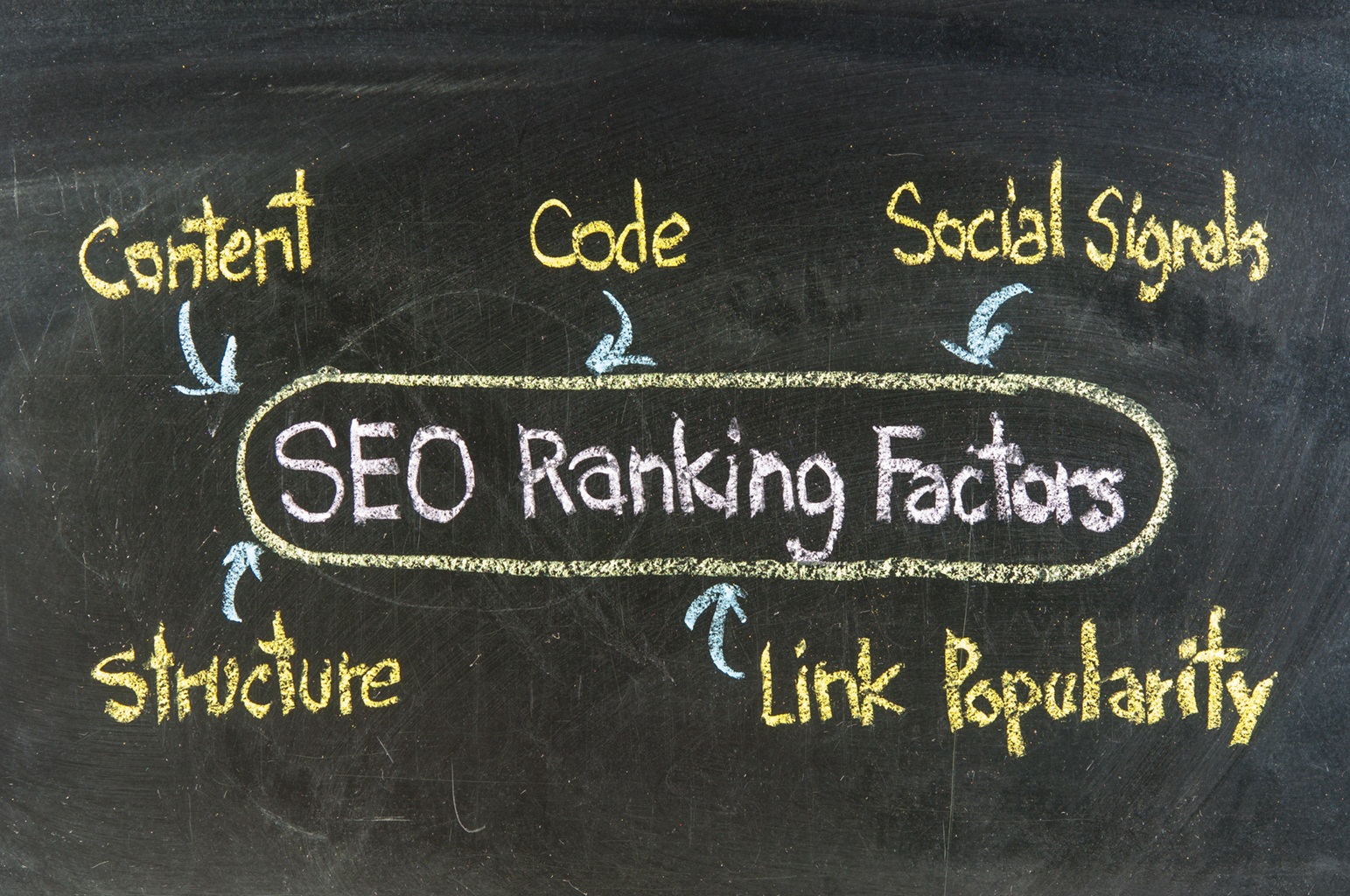
Local SEO Ranking Factors Explained (What Actually Matters)
Local SEO has become increasingly difficult to simplify. Search results and local SEO ranking factors now depend on a combination of proximity, trust, relevance, user behaviour, website quality, and operational consistency. At the same time, many businesses still focus on outdated tactics or isolated ranking factors without understanding how local visibility actually works. This creates confusion. Businesses often ask:
- “Do reviews matter most?”
- “Is Google Business Profile optimisation enough?”
- “How important are backlinks now?”
- “Do citations still help?”
The reality is that Local SEO Ranking Factors work together as part of a wider system. No single factor guarantees strong performance. The businesses that perform well locally are usually the ones creating the clearest and most trustworthy experience across every touchpoint.
Local SEO Is No Longer Just About Optimisation
Years ago, local SEO could often be improved through directory submissions, keyword-heavy pages, citation volume, and exact-match optimisation. That approach is far less effective today. Google has become significantly better at evaluating business legitimacy, user satisfaction, behavioural signals, content quality, and operational reliability. This means modern local SEO rewards businesses that genuinely reduce uncertainty for users. The strongest local SEO strategies improve discoverability, usability, trust, and conversion confidence together, rather than treating them as separate outcomes.
Google Business Profile Still Matters Most
For many local searches, the Google Business Profile remains the most influential local ranking asset, especially for map pack visibility, mobile searches, and high-intent local queries. Important ranking signals include accurate business information, category selection, review quality and consistency, proximity, profile completeness, engagement activity, and operational accuracy.
However, businesses often misunderstand optimisation. The goal is not to “stuff” the profile with keywords. The goal is to make the profile genuinely useful and trustworthy. Profiles that create clarity and reduce uncertainty usually perform better over the long term.
Relevance Is One of the Strongest Ranking Factors
Google wants to match businesses with the most relevant searches. That means your services, website content, categories, location pages, headings, and internal linking all help search engines understand what the business actually does. Many businesses weaken relevance by targeting too many services on one page, using vague language, creating generic location content, or lacking service-specific detail. Clear positioning improves relevance naturally and makes it easier for search engines to connect your business to the right queries.
Proximity Still Influences Rankings
Location remains one of the core Local SEO Ranking Factors. For many searches, Google prioritises businesses physically close to the user, especially for urgent searches, service-based businesses, mobile searches, and “near me” queries. However, proximity alone is not enough. A nearby business with weak trust signals or poor usability may still lose visibility to stronger competitors slightly further away. Proximity creates opportunity, but trust and relevance ultimately influence performance.
Reviews Influence Both Rankings and Conversions
Reviews remain one of the clearest trust indicators in local SEO, but businesses often oversimplify their role. Google increasingly evaluates review consistency, authenticity, recency, sentiment, engagement, and business responses. Strong review profiles influence local visibility, click-through behaviour, and conversion confidence. Reviews also reinforce service relevance because customers naturally mention services, products, locations, and experiences. The businesses benefiting most from reviews are usually those building steady operational trust over time rather than chasing spikes in volume.
Website Quality Matters More Than Many Businesses Realise
A Google Business Profile alone is rarely enough for competitive local markets. Your website still influences trust, authority, user experience, service relevance, and conversion quality. Important website-related local ranking factors include fast-loading pages, mobile usability, clear service structure, location-specific content, internal linking, crawlability, and overall content quality. Google increasingly evaluates whether the website supports a strong customer experience after the click. Poor usability weakens local performance over time, even if visibility is strong.
Local Content Supports Authority
Useful local content helps reinforce topical relevance and local expertise. This does not mean creating low-quality city pages. Instead, focus on content that genuinely supports customer intent, such as local service guides, area-specific FAQs, customer case studies, service comparisons, local operational updates, and community involvement. Local content works best when it reflects real expertise rather than search manipulation, because it builds both relevance and trust.
Behavioural Signals Influence Visibility
Google pays increasing attention to how users interact with businesses, including click-through rates, direction requests, calls, website engagement, branded searches, and repeat interactions. While businesses cannot directly optimise behavioural signals, they can improve the experience that drives them. Businesses that create trust, clarity, relevance, and fast decision-making tend to generate stronger engagement naturally, which supports long-term visibility.
Backlinks Still Matter – But Quality Matters More
Local backlinks remain important because they help validate authority and relevance. However, low-quality link building has become far less effective. Stronger local authority usually comes from local partnerships, community mentions, industry publications, relevant local organisations, and useful content worth referencing. A smaller number of trusted links often provides more value than large-scale, low-quality campaigns, especially in competitive local markets.
Consistency Across Platforms Still Matters
Search engines rely on consistency to verify legitimacy. Important areas include business name, address, phone number, opening hours, website URLs, and service details. Inconsistencies across directories, social platforms, maps, and review websites can reduce trust signals over time. However, businesses should avoid obsessing over endless citation building. Accuracy matters more than volume, and consistency is what ultimately reinforces credibility.
Technical SEO Still Supports Local Performance
Technical SEO is not always visible, but it strongly influences how effectively search engines understand your website. Important technical foundations include crawlability, indexation, structured data, site speed, mobile optimisation, canonical setup, and clean internal linking. Technical problems often weaken otherwise strong local SEO strategies because they limit how clearly search engines can interpret and connect your content.
What Actually Matters Most
Businesses often search for a single “most important” ranking factor. But local SEO does not work that way anymore. The strongest local performance usually comes from businesses that consistently improve:
- Relevance
- Trust
- Usability
- Operational clarity
- Customer experience
These areas reinforce one another. Strong reviews improve trust. Good location pages improve relevance. Better usability improves engagement. Operational consistency improves reputation. This is why local SEO works best when viewed as part of a wider growth system rather than a checklist of isolated tactics.
Common Mistakes Businesses Still Make
Many local SEO strategies underperform not because businesses lack effort, but because the effort is directed at the wrong priorities. In most cases, performance issues come down to a few consistent patterns:
- Prioritising rankings over customer experience: Focusing on position improvements without improving usability, clarity, or conversion often leads to visibility that does not translate into business outcomes.
- Creating low-value location pages: Pages built purely for keyword targeting, without useful local information, tend to underperform as they do not help users make decisions.
- Ignoring mobile usability: Poor mobile experiences reduce engagement quickly, especially in high-intent local searches where users expect fast actions like calling or getting directions.
- Neglecting review management: Inconsistent or passive review strategies weaken trust signals and reduce conversion confidence, even when rankings are stable.
- Using inconsistent business information: Variations in name, address, phone number, or opening hours across platforms create confusion for both users and search engines.
- Focusing on volume instead of clarity: Producing more pages, more keywords, or more citations without improving message clarity usually dilutes performance rather than improving it.
Local SEO becomes far more effective when the strategy reflects how users actually search, compare, and choose businesses. The strongest results come from reducing friction and increasing clarity, not increasing activity.
Final Thoughts
The most important Local SEO Ranking Factors in 2026 are no longer based on shortcuts or isolated optimisation tactics. Search engines increasingly reward businesses that create clear information, trustworthy experiences, operational consistency, useful content, and strong customer engagement. Local SEO is now closely connected to CRO, user experience, and overall business quality.
At Want SEO, local SEO is approached through that wider commercial lens, helping businesses prioritise the work that improves visibility, customer confidence, and long-term growth without unnecessary complexity or vanity-driven activity.
FAQs
1. What are the most important Local SEO ranking factors?
The most important factors are relevance, proximity, trust signals (like reviews), website quality, and Google Business Profile optimisation.
2. Do Google reviews affect local rankings?
Yes, reviews influence both rankings and conversions by signalling trust, consistency, and customer experience quality.
3. Is Google Business Profile still important for local SEO?
Yes, it remains one of the strongest ranking assets, especially for map pack visibility and high-intent local searches.
4. How important is website quality for Local SEO?
Very important. A strong website improves relevance, trust, and conversion, and supports Google’s understanding of your business.
5. Do backlinks still matter for local SEO?
Yes, but quality matters far more than volume. Local, relevant, and trusted links are significantly more valuable than large-scale, low-quality links.