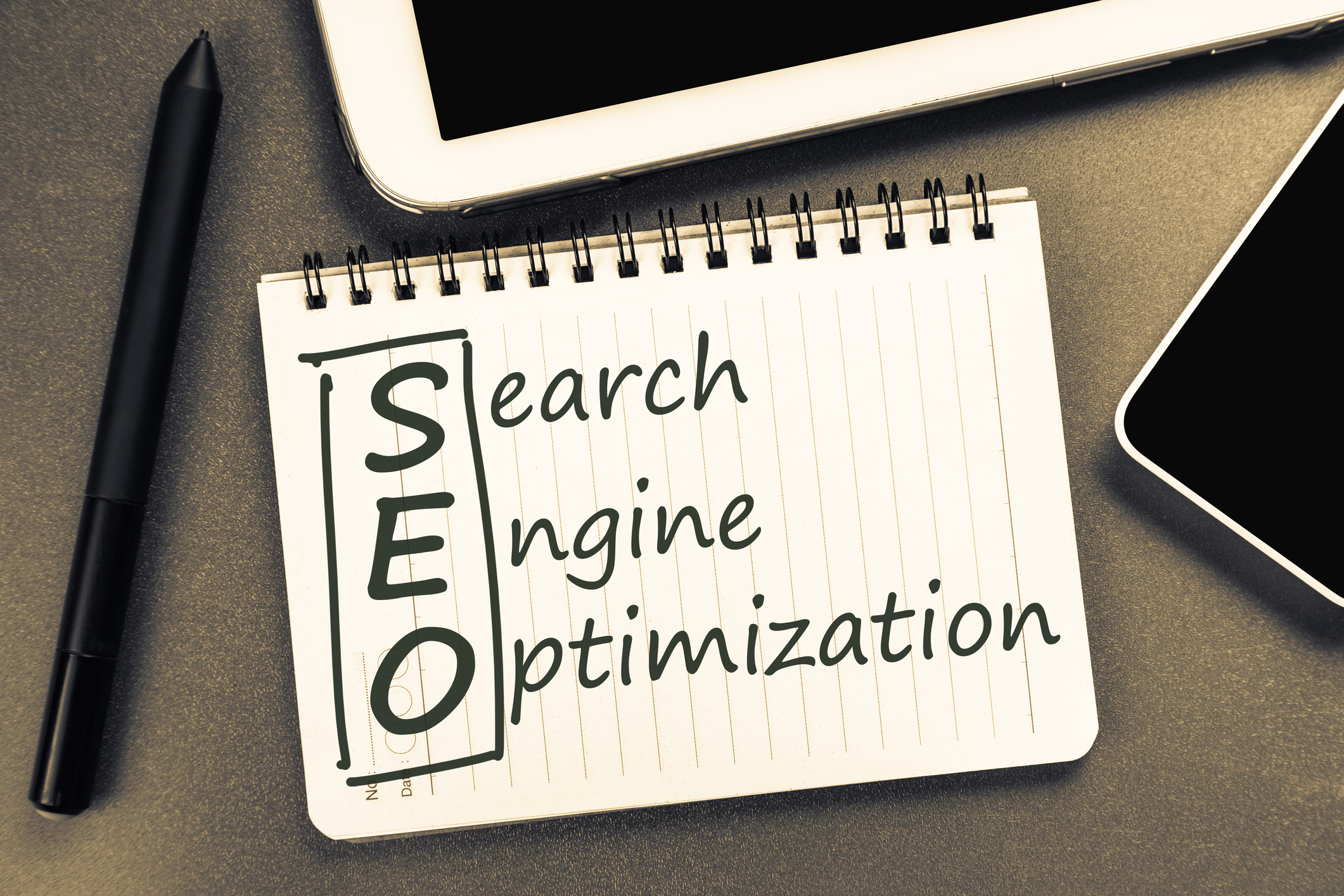
Are SEO Services Worth It? Evaluating Their Impact on Your Business
Are SEO services worth it for businesses? Absolutely, they can be a valuable investment. A strong SEO strategy improves your website’s visibility on search engines, attracting more potential customers. This can be crucial for increasing your company’s online presence and driving more sales.
SEO is not just about boosting rankings. It’s about enhancing user experience, building credibility, and ensuring your website meets search engine standards. By doing so, you not only get more traffic but also engage visitors effectively, making them more likely to choose your service or product.
It’s important to assess the cost of SEO services versus the benefits they bring. While SEO requires time and resources, the long-term gains in web traffic and business growth often outweigh the expenses. Choosing the right SEO agency or team can maximise your ROI, ensuring you get the best results for your investment.
Key Takeaways
- SEO improves online visibility and attracts customers
- Effective SEO enhances credibility and user experience
- Investing in the right SEO services can maximise business growth
Understanding SEO Services
When considering SEO services, it’s important to recognise what they entail, their role in digital marketing, and the key components that make them effective.
What Are SEO Services?
SEO services are actions aimed at improving your website’s visibility on search engines like Google. These services involve several strategies and techniques to help your site rank higher in search results.
Professionals in SEO focus on keyword research, on-page SEO, and off-page SEO. They also work on technical SEO aspects such as site speed and mobile compatibility. You might hire an SEO agency for these services or use in-house resources.
SEO services help drive organic traffic to your site, making your online presence stronger and more accessible to potential customers.
The Role of SEO in Digital Marketing
SEO is a crucial part of digital marketing. It helps businesses reach their target audience by appearing in relevant search results. Unlike paid advertising, SEO focuses on organic traffic, which can be more sustainable in the long run.
SEO supports other digital marketing efforts like content marketing and social media promotions. When your website ranks higher in search results, it complements your content and social media strategies by driving more traffic to your site.
Being visible online increases your brand’s credibility. Users trust search engines, so appearing high in search results can give your business a reputation boost.
Key Components of SEO Strategies
Effective SEO strategies include multiple components. Keyword research identifies the terms potential customers use when searching online. Integrating these keywords into your content is vital.
On-page SEO involves optimising individual pages to rank higher. This can include adjusting meta descriptions, headers, and images. Off-page SEO focuses on building backlinks from other reputable sites to yours, boosting your site’s authority.
Technical SEO ensures your site is easy for search engines to crawl and index. This may involve improving site speed, ensuring mobile-friendliness, and fixing broken links. All these components work together to enhance your site’s overall SEO performance.
The Business Value of SEO
SEO provides tangible benefits such as improved online visibility, increased qualified traffic and leads, and enhanced branding and trust.
Improving Online Visibility
SEO helps your website rank higher in search engine results. When your site appears on the first page of search results, more people see it, leading to higher visibility. Higher visibility often translates into increased organic traffic. This is crucial since most users do not go past the first page of search results.
A higher rank indicates authority and trustworthiness, making users more likely to click on your link. Effective SEO measures ensure your content matches what users are searching for, improving your page’s relevance and ranking.
Driving Qualified Traffic and Leads
By targeting keywords relevant to your business, SEO attracts organic traffic. This traffic is highly valuable as it consists of users actively looking for products or services like yours. When users find exactly what they’re searching for, the chances of them converting into leads or customers are higher.
SEO efforts such as optimising your website’s content and structure can lead to significant improvements in lead generation and revenue. By driving quality traffic to your site, you are more likely to see an increase in sales and customer acquisition.
SEO for Branding and Trust Building
Consistent SEO efforts help improve brand awareness. When users frequently see your brand in search results, it builds familiarity and trust. Over time, this can enhance your brand’s authority and credibility.
Having a site that ranks well also signals to users that your business is a leader in its field. Consistent visibility in search results fosters trust, making users more likely to engage with your brand and consider your products or services as reliable options.
Evaluating the Cost of SEO Services
Understanding how to evaluate the cost of SEO services helps you make informed decisions about investing in your website’s visibility. This section covers budget considerations, return on investment, and long-term benefits and costs of SEO.
Determining Your SEO Budget
Start by setting a clear budget for SEO services.
Evaluate your current financial situation and decide how much you can realistically allocate. You can often choose between fixed-price packages or hourly rates, depending on what fits best. Prices for SEO services can vary widely, from a few hundred to several thousand pounds per month.
Consider the size of your business.
A small business with a local focus might need less investment than a larger company aiming for national or international reach. Balancing quality with affordability helps achieve the best results within your budget.
Cost Versus Return on Investment
When investing in SEO, weigh the costs against the expected return on investment (ROI).
Cheap services might seem attractive, but they often provide limited results. Investing more in experienced professionals can bring higher returns, as quality SEO can drive significant traffic, leading to increased sales and revenue.
Calculate your potential ROI.
For example, if you spend £1,000 per month and expect to gain £5,000 in new business, your ROI would be 400%. Consider both direct (sales, leads) and indirect benefits (brand awareness, customer engagement).
Long-term Benefits and Costs
SEO is not just a one-time investment; it provides long-term benefits.
Initial costs might be higher, but an effective SEO strategy builds momentum over time. Improved rankings can lead to sustained traffic and ongoing business growth.
However, ongoing costs are also necessary.
Maintaining and updating your SEO strategy is essential to stay competitive. You may need to invest in content creation, website updates, and monitoring analytics regularly.
In the long run, the benefits can outweigh the costs.
Consistent SEO efforts can enhance your site’s authority and trustworthiness, leading to long-lasting returns on your initial investment. Balancing these ongoing expenses with the long-term gains is key to evaluating the total cost of SEO services.
Selecting the Right SEO Agency or Team
Choosing an SEO agency or team involves looking for qualities that indicate trust and expertise. It also requires clear communication and management of expectations.
Qualities of Reputable SEO Agencies
When selecting an SEO agency, look for transparency in their methods and communication. They should clearly explain their strategies and provide regular updates. Check their track record by reviewing case studies and client testimonials.
An agency should have a mix of technical expertise and creative skills. They should be skilled in on-page and off-page SEO and content creation. Verify their knowledge of current SEO trends and updates from search engines.
Evaluate their ethical practices. Agencies should follow search engine guidelines to avoid penalties. Ensure they don’t use black hat tactics.
Collaboration and Expectation Management
Effective collaboration between your team and the SEO agency is key. Set clear objectives and ensure both parties agree on goals. Regular meetings help keep the project on track and address any issues quickly.
Define roles and responsibilities early. Ensure everyone knows what is expected. This reduces misunderstandings and ensures smoother implementation of strategies.
Establish clear communication channels. This can be through emails, calls, or project management tools. Regular updates and reports keep everyone informed.
Be realistic with expectations. Understand that SEO results take time. Set milestones and review progress periodically. This helps in adjusting strategies if needed and ensures the project remains focused.
Maximising SEO Efficiencies
To get the best results from your SEO efforts, you need to integrate various marketing strategies, use advanced tools and technologies, and stay updated on current trends and algorithm changes.
Integrating SEO with Other Marketing Strategies
Combining SEO with other digital marketing channels can significantly improve overall performance. For example, integrating SEO and PPC campaigns, allows you to leverage search data to refine other strategies.
Content marketing, social media, and SEO can work together to boost your site’s visibility. Engaging content tailored with SEO techniques attracts more organic traffic, while social media shares can generate backlinks.
You maximise your reach and impact by creating a cohesive plan that incorporates multiple marketing channels.
Utilising Tools and Technology
Using the right tools and technology can make your SEO efforts more efficient. Platforms like Google Analytics and SEMrush provide valuable insights into your site’s performance and areas for improvement.
Tools that integrate artificial intelligence (AI) help in automating repetitive tasks, such as keyword analysis and content optimisation. AI-driven tools can also offer advanced analytics, helping you predict trends and adjust strategies accordingly.
Adopting these technologies keeps you ahead of the competition and ensures efficient use of resources.
Keeping Up with SEO Trends and Algorithm Changes
SEO is constantly evolving, with search engines frequently updating their algorithms. Staying informed about these changes is crucial for maintaining and improving your search rankings. Regularly reading industry blogs and participating in SEO forums can help you stay updated.
For instance, Google’s frequent updates can significantly impact your strategies. Keeping track of these changes allows you to quickly adapt and refine your tactics.
Proactively monitoring trends ensures your efforts remain effective and aligned with current best practices.
SEO Outcomes and Success Metrics
Effective SEO strategies lead to improved rankings, more qualified traffic, increased leads, and higher sales. It’s crucial to monitor your SEO efforts to measure their success accurately.
Tracking SEO Progress
To evaluate the effectiveness of SEO, you need to track key metrics. These include website traffic, rankings, and conversions. Tools like Google Analytics and Search Console help monitor these metrics. Analysing traffic trends can show if your SEO efforts are driving more visitors to your site.
Rankings are another critical metric. Higher rankings on search engine results pages (SERPs) often lead to more traffic. Regularly checking your rankings for target keywords is essential.
Conversions measure how many visitors become leads or customers. This metric is crucial for assessing the overall impact of SEO on your business growth. You should also track metrics like bounce rate and time on site to understand user engagement.
SEO Case Studies and Testimonials
Case studies and testimonials provide real-world evidence of SEO success. They demonstrate how SEO strategies have led to increased traffic, higher rankings, and more sales for other businesses. Reading about these successes can give you insights into what might work for your site.
For instance, a company might share how their SEO campaign improved their rankings, resulting in a significant boost in qualified traffic and conversions. Testimonials from satisfied customers can further validate the effectiveness of SEO services.
Case studies can also highlight specific strategies and tools used to achieve SEO success. This can help you understand the practical application of SEO techniques and the potential benefits for your own business.
Frequently Asked Questions
In this section, you’ll find answers to common questions about SEO services, their cost, benefits, and relevance in the current digital landscape.
How much should one typically invest in SEO services?
The cost of SEO services can vary widely. Small businesses might spend a few hundred pounds each month. Larger companies could invest several thousand pounds monthly. The key is to find a budget that works for you and enables you to see a return on investment.
Can SEO provide a significant benefit to small businesses?
Yes, SEO can be very beneficial for small businesses. By targeting local search queries and optimising their websites, small businesses can attract more local customers. This helps improve their online visibility and compete with larger companies on a more level playing field.
What are the potential advantages of employing SEO strategies in 2025?
SEO can help improve your website’s visibility on search engines, driving more traffic to your site. In 2025, staying updated with the latest SEO trends and techniques can help you keep ahead of competitors. It also helps in building brand credibility and trust with your audience.
Is it essential to implement SEO for online success?
Implementing SEO is crucial for online success. SEO helps you rank higher in search results, which increases the likelihood of attracting potential customers. Without SEO, your website may struggle to get noticed, impacting your ability to generate revenue and grow your online presence.
How does the effectiveness of SEO compare to other digital marketing strategies?
SEO is a long-term strategy that often yields consistent results over time. Pay-per-click (PPC) advertising can provide immediate traffic. However, once you stop paying for ads, the traffic stops. Email marketing and social media are also valuable but require different approaches and investment levels.
Do SEO practices remain relevant with the constant changes in search engine algorithms?
Yes, SEO practices remain relevant despite changes in search engine algorithms. Staying updated with the latest algorithm updates helps ensure that your SEO strategies are effective. Good SEO practices, like high-quality content and a user-friendly site, continue to be important for search rankings.