Is SEO the Same as Marketing? Understanding the Distinctions That Matter for Your Business
When people talk about “doing marketing,” it’s not uncommon to hear SEO thrown into the mix, as if it’s interchangeable with the entire discipline. But here’s the truth: while SEO is undeniably a crucial part of digital marketing, it isn’t all of marketing. And understanding the distinction can be the difference between generic growth and laser-focused brand success.
If you’re a business owner trying to make sense of where to invest your time, budget and energy, this article is for you. We’ll clarify the relationship between SEO and marketing, explore how they work together, and help you decide how best to integrate SEO into your broader growth strategy.
Key Takeaways:
- SEO is a specialised branch of digital marketing, not a synonym for marketing itself.
- While marketing covers a wide range of tactics (branding, paid ads, PR, email), SEO focuses on visibility in search engines.
- Effective SEO supports marketing by attracting organic traffic and building long-term brand authority.
- Understanding the role of SEO helps you make smarter strategic decisions for your business.
- Working with a results-focused agency like Want SEO ensures that SEO aligns with your wider business goals.
What Is Marketing, and Where Does SEO Fit In?
Let’s break it down with clarity. Marketing is the broad discipline of promoting and selling products or services. It encompasses everything from advertising and customer engagement to brand storytelling and audience research.
SEO—short for Search Engine Optimisation—is the process of optimising your website and content to improve visibility in search engine results pages (SERPs), particularly Google.
Marketing in a Nutshell:
- Covers traditional channels (TV, print) and digital (email, social, PPC)
- Includes branding, market research, pricing strategies and more
- Focuses on reaching the right audience with the right message
SEO’s Role Within Marketing:
- Targets users actively searching for what you offer
- Aims to increase organic (unpaid) traffic
- Relies on keyword research, content optimisation, technical improvements, and link building
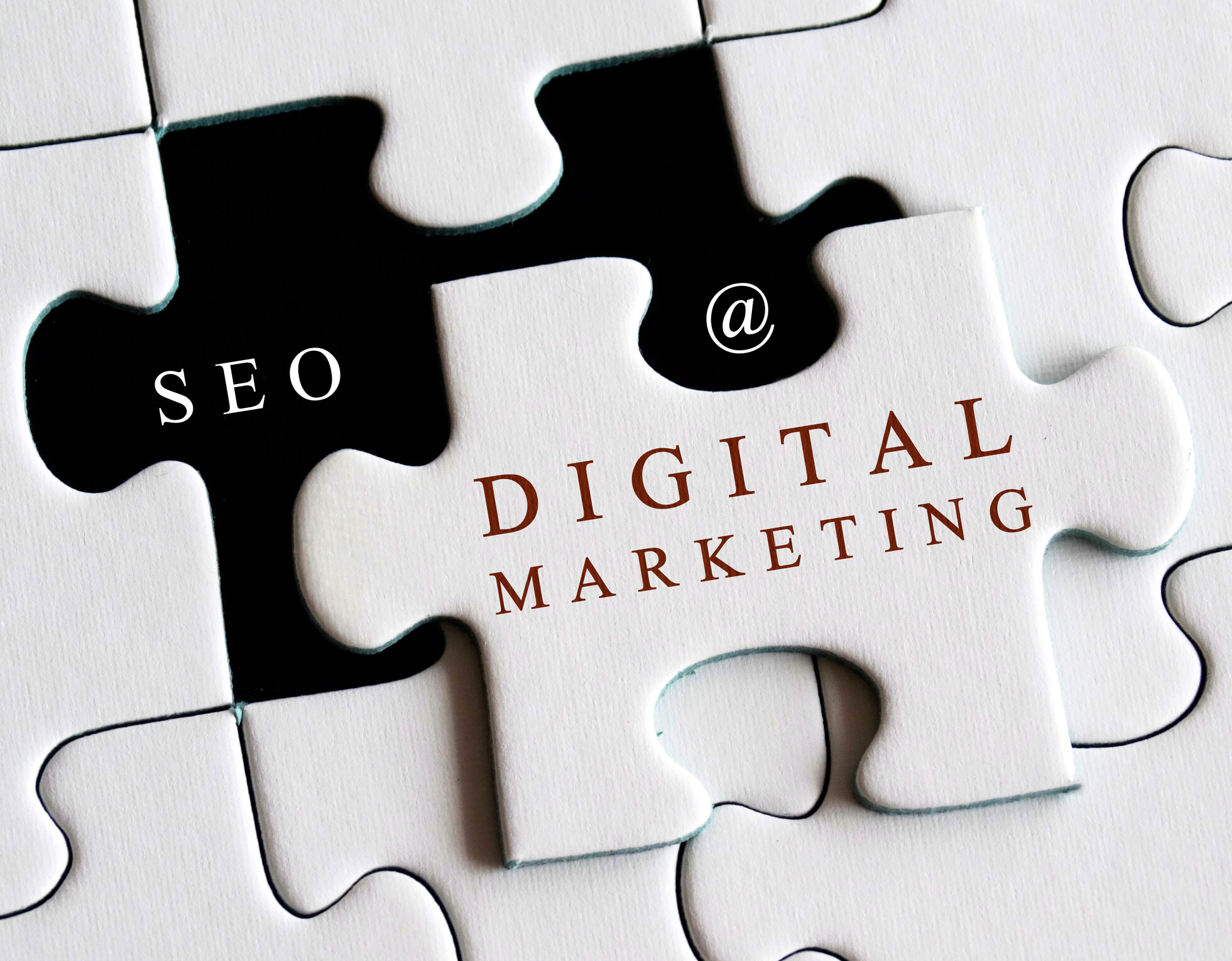
While SEO is a powerful marketing tool, it’s just one piece of a much bigger puzzle.
The Unique Strengths of SEO as a Marketing Channel
So why is SEO worth isolating and investing in as a strategy? Because it does what many other tactics struggle to do: reach people at the exact moment they’re looking for your solution.
1. It Captures Intent-Driven Traffic
Unlike social media or display ads, where you interrupt someone’s day, SEO meets people where they are. If someone searches “best accounting software for freelancers,” you know exactly what they want—and you can provide it.
This makes SEO one of the highest-converting traffic sources for businesses, especially those offering services, niche products or solutions to specific problems.
2. It Builds Long-Term Equity
Paid marketing stops when your budget runs out. SEO, on the other hand, continues working as long as your content remains relevant and your website stays healthy. A well-ranking blog post or service page can generate consistent leads for years with little upkeep.
3. It Supports Brand Authority
Showing up in organic search results signals credibility. Users trust Google to surface the best results, so ranking well suggests your brand is trustworthy and established. This reinforces other parts of your marketing, including PR, paid search and content strategy.
Common Misconceptions (and What Business Owners Should Know)
It’s easy to blur the lines between SEO and broader marketing, especially if you’ve outsourced tasks in the past or been sold a “one-size-fits-all” solution. Let’s address a few common misconceptions.
“If I do SEO, I don’t need other marketing.”
This is one of the biggest mistakes businesses make. SEO can’t replace a full marketing strategy—it should enhance it. For example, SEO won’t help much if your brand message is unclear, your website doesn’t convert, or your social presence is non-existent.
What to do instead: Use SEO to drive organic awareness while using email, paid ads and social to nurture and convert those leads.
“SEO is just about keywords.”
That may have been true ten years ago. Today, SEO is as much about user experience, website structure and content quality as it is about keywords. Google’s algorithms prioritise helpful content, fast load times and mobile usability—all tied to broader marketing goals.
“I can just set it and forget it.”
SEO is ongoing. Search behaviours change, competitors evolve, and Google updates its algorithms multiple times a year. A static SEO strategy becomes obsolete quickly.
Solution: Ongoing optimisation, audits, and content refreshes are essential. That’s where professional support from a team like Want SEO becomes invaluable.
SEO and Marketing: The Future Is Integration
Marketing is becoming more interconnected, and SEO plays a central role in that convergence.
SEO + Content Marketing
High-quality content is the glue that binds most digital marketing strategies together. Your blog, product pages, guides and FAQs all feed into SEO—and vice versa.
According to Search Engine Journal, 68% of online experiences begin with a search engine (source). That makes content a powerful investment that fuels both discoverability and engagement.
SEO + Paid Media
While SEO targets long-term visibility, paid search can bring instant traffic. When combined, the insights gained from each—like high-performing keywords—can dramatically improve both strategies.
SEO + User Experience (UX)
A user-friendly website that loads quickly, looks good on mobile, and makes it easy to take action (buy, enquire, subscribe) is not only good marketing—it’s essential for SEO too.
SEO + Branding
Google is now looking beyond just “relevance” and into “reputation.” That means your brand signals—online reviews, citations, mentions on other sites—are increasingly part of SEO. This blurs the lines between branding and technical optimisation.
Final Thoughts: Think of SEO as a Core Marketing Skill
So, is SEO the same as marketing? No. But it’s a cornerstone of any digital marketing strategy—and learning how it works helps you make smarter decisions across the board.
If you’re serious about growing your brand, SEO deserves dedicated attention alongside your other marketing efforts. When done correctly, it supports awareness, builds trust, drives conversions and lowers customer acquisition costs.
At Want SEO, we offer expert-led, data-driven services that are designed to align seamlessly with your broader marketing goals. Whether you need an in-depth audit, keyword research, technical clean-up or content strategy, we’re here to ensure your brand is visible, credible and competitive in search.
Ready to integrate SEO with your wider marketing efforts? Get in touch with Want SEO today—and let’s grow your brand the smart way.